
Kai was 19, perpetually broke, and emotionally attached to his Bluetooth speaker. He also happened to be dangerously hungry—like “I might gnaw on my Econ textbook” hungry.
It was a Tuesday, and Kai’s stomach was giving him ultimatums. So he wandered into Wrap It Up, the burrito shop near campus that smelled like happiness, carbs, and salsa. He ordered the usual: extra beans, double rice, no regrets. Everything was going great… until he pulled out his debit card.
As he contemplated his financial situation, Kai couldn’t help but reflect on the history of money and how it influenced modern transactions.
Declined.
He stared at the screen like it had betrayed him personally.
“Uhh… maybe try it again?” he asked the cashier, voice cracking slightly.
“Nope. Still declined,” the cashier said, as emotionally invested as a potato.
Kai laughed nervously. “Can I… like… Venmo the store?”
“This isn’t Etsy,” the cashier replied, already calling “Next.”
He stepped aside, heartbroken. And still hungry. That’s when Jada, his roommate and part-time crypto enthusiast, walked in holding a foil-wrapped masterpiece.
“You look like you just lost custody of a burrito,” she said.
“I did,” Kai muttered. “Stupid bank app says I’ve got funds pending. Whatever that means.”
Jada grinned. “You want this burrito?”
Kai’s eyes widened. “Are you offering it to me… out of kindness?”
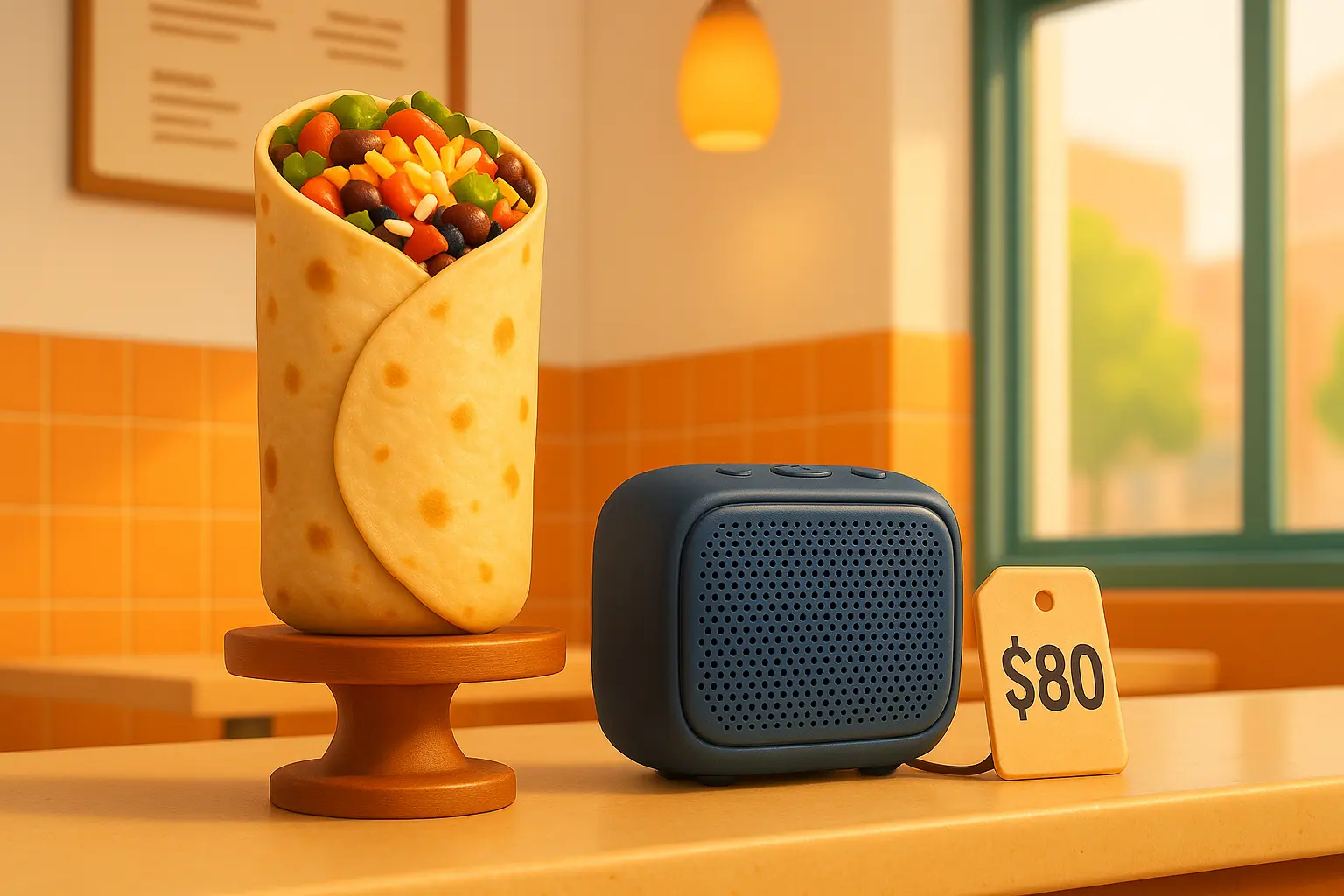
“Nope,” she said. “I’m offering it in exchange for your Bluetooth speaker.”
“What? That’s extortion.”
“No, that’s bartering. Welcome to the history of money, Kai. Chapter One.”
He blinked. “Are you seriously trying to teach me about economics while I’m starving?”
“I’m serious about the burrito.”
He paused. That speaker had sentimental value. It had survived dorm parties, all-nighters, and that one week he tried meditating. But his stomach said, Give up the tech.
“Fine. Deal.”
They shook hands, awkwardly sealing the ancient ritual of trade with a half-hearted fist bump. Kai bit into the burrito like it was the last meal before a final exam.
As they sat outside, Jada pulled out her phone and started scrolling through crypto charts.
“So,” she said, mid-swipe, “what you just experienced was pre-currency economics. The barter system. It’s where the history of money begins.”
“Fascinating,” Kai said, mouth full of beans. “So you’re saying I just lived in the past?”
“Yup. Before coins, people just swapped stuff. Grain for goats. Fish for firewood. Bluetooth speaker for burrito.”
Kai nodded slowly. “So when did money actually become a thing?”
“First came metal coins—ancient Lydia, like 600 BC. Then paper money in China. Eventually checks, credit cards, Venmo, Bitcoin. Every stage is a chapter in the history of money.”
Kai blinked. “So my burrito was like… historically significant?”
“Basically,” Jada smirked.
That night, Kai sat on his bed, now speaker-less, listening to lo-fi beats from his phone’s terrible internal speakers. It wasn’t the same. He opened a search tab and typed in: history of money for broke college students.
It led him down a rabbit hole. He learned that the barter system worked… until it didn’t. It was inefficient. What if you needed eggs but all you had to trade was a cow? You’d need change for your cow. That’s where standardized currency came in—coins and paper money solved the problem of uneven value.
Then came banks, digital payments, and now cryptocurrencies. He even watched a video titled, “Why Your Money Is Basically a Fancy IOU.” It blew his mind.
Kai realized that his speaker-for-burrito deal wasn’t just desperate—it was a glimpse into the history of money. The tools change—clay tablets, gold coins, Apple Pay—but the goal stays the same: exchange value in a way people trust.
And maybe that’s what money is really about—trust. Trust that a paper bill, a plastic card, or a virtual coin has value, even if it’s just ones and zeroes in a data center somewhere in Utah.
The next day, Kai saw Jada with a new speaker.
“You replaced it already?”
“Yep. Traded your old one to someone for a textbook. I’m living the barter life now.”
Kai laughed. “So you’re just… casually time-traveling through the history of money?”
“Exactly. Next up: minting my own crypto.”
He groaned. “Just don’t name it ‘BurritoCoin.’”
“Oh, it’s too late. Logo is a tortilla with laser eyes.”
Kai walked away, wondering how he ended up learning more in 24 hours about the history of money than he had in two semesters of econ. All it cost him was a speaker, a little pride, and a burrito.
Final Thought:
So what have we learned? The history of money isn’t just about ancient coins and Bitcoin hype—it’s about solving the same old problem in new ways. Just make sure next time you trade your tech for tacos, it’s worth it. And maybe keep a backup speaker. For emotional reasons.